Is Poultry Farming Good For Small Farmers in India?
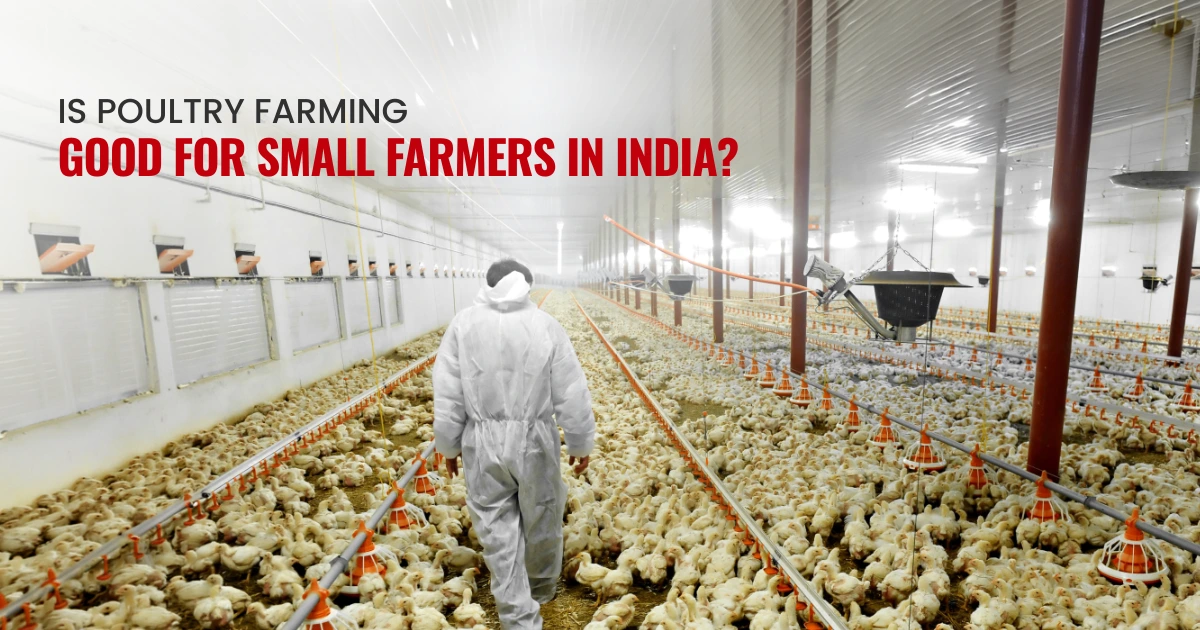
Yes, poultry farming can be a highly profitable and sustainable opportunity for small farmers in India, provided it is planned and managed correctly.
With rising demand for eggs and chicken meat across urban and rural markets, the poultry sector has become one of the fastest-growing segments of Indian agriculture. For landholding farmers with limited acreage, poultry offers a steady source of income without requiring large tracts of land.
However, success depends on choosing the right system, proper infrastructure, such as PUF panels for temperature control, disease management, and efficient feed practices.
In this blog, we explore whether poultry farming is truly suitable for small farmers in India and how they can make it profitable and sustainable.
Understanding the Scope of Poultry Farming For Small Farmers in India
Today, Poultry Farming for Small Farmers is no longer seen as a side activity. It has evolved into a structured agri-business model supported by government schemes, improved breeds, better housing systems, and access to wider markets.
Whether a farmer chooses broiler farming for meat production or layer farming for egg production, the potential for stable returns is strong. Before starting, small farmers must understand the scale, types, and potential of poultry farming in the Indian context.
Growing Demand for Eggs and Chicken
Eggs and chicken are affordable sources of protein compared to mutton or fish. It ensures consistent demand throughout the year. For small farmers, this demand creates a reliable market opportunity. India is one of the largest producers of eggs and poultry meat in the world. Consumption has steadily increased due to:
- Rising population
- Growing middle-class income
- Increased awareness of protein-rich diets
- Expansion of quick-service restaurants
Types of Poultry Farming Suitable for Small Farmers
Among these, broiler farming is often preferred for quicker returns, while layers provide steady long-term income. Small farmers can choose from:
- Broiler farming: Raising birds for meat (short cycle of 35–45 days)
- Layer farming: Raising birds for egg production
- Backyard poultry farming: A low-investment model suitable for rural households
- Free-range poultry farming: Increasingly popular among health-conscious consumers
Land and Investment Requirements
One of the biggest advantages of Poultry Farming for Small Farmers is that it does not require large landholdings. A small shed built on even a fraction of an acre can house hundreds of birds.
Compared to crop farming, poultry:
- Needs less water
- Requires a smaller land area
- Offers faster income cycles
Investment, Costs and Profit Potential
Understanding financial planning is essential before entering poultry farming.
Initial Setup Costs
Modern poultry sheds using PUF panels are increasingly preferred. PUF panels are ideal for small farmers looking to start poultry farming in India, as they offer excellent insulation. They maintain optimal temperature, reduce heat stress in summer, and lower mortality rates. This improves bird health and overall profitability. Though the initial investment may seem high, proper planning can recover costs within a few cycles. The main expenses include:
- Poultry shed construction
- Purchase of chicks
- Feed and medicines
- Equipment (feeders, drinkers, brooders)
- Electricity and water arrangements
Recurring Operational Costs
Efficient feed management and disease prevention play a major role in profit margins. The largest recurring expense is feed, which accounts for nearly 60–70% of total costs. Other ongoing costs include:
- Labour
- Veterinary care
- Vaccination
- Electricity
Expected Returns and Profit Margin
In broiler farming, small farmers can earn profits within 6–8 weeks per cycle. With 5–6 cycles per year, income can become steady and predictable. Layer farming, on the other hand, provides a steady income from eggs for up to 72 weeks. With proper management, Poultry Farming for Small Farmers can offer better returns than many traditional crops. Profit depends on:
- Market prices
- Feed cost fluctuations
- Mortality rate
- Farm management efficiency
Infrastructure and Housing: Why PUF Panels Matter?
Good housing is the backbone of successful poultry farming.
Importance of Temperature Control
India experiences extreme weather conditions, scorching summers and cold winters. Poultry birds are sensitive to temperature fluctuations. Poor ventilation and excessive heat can lead to:
- Reduced feed intake
- Slower growth
- Lower egg production
- Higher mortality
Benefits of PUF Panels for Small Poultry Farms
For small farmers starting poultry farming in India, PUF panels are a smart long-term investment. They help maintain biosecurity standards and reduce disease risks by controlling humidity and air circulation. PUF (Polyurethane Foam) panels provide superior insulation compared to traditional sheds. They:
- Maintain consistent internal temperature
- Reduce electricity costs
- Prevent heat stress
- Improve feed conversion ratio
- Enhance bird comfort
Biosecurity and Hygiene Standards
Investing in proper infrastructure reduces long-term losses and ensures business sustainability. Maintaining cleanliness prevents disease outbreaks. Essential practices include:
- Restricted farm entry
- Regular sanitisation
- Proper disposal of dead birds
- Clean water supply
Government Support and Market Access
Small farmers do not have to manage everything alone. Several support systems exist.
Government Schemes and Subsidies
These initiatives encourage Poultry Farming for Small Farmers, especially in rural and semi-urban areas. Farmers should consult local agricultural offices to understand available financial assistance. The Government of India and various state governments provide:
- Subsidised loans
- NABARD support
- Training programmes
- Backyard poultry schemes
Contract Farming Model
Many small farmers opt for contract farming with poultry integrators. Under this model:
- The company provides chicks, feed, and medicines
- Farmers provide labour and housing
- Payment is based on bird performance
Direct Marketing and Local Sales
Local branding and quality assurance can significantly improve margins. Farmers can increase profits by:
- Selling directly to retailers
- Supplying hotels and restaurants
- Selling farm-fresh eggs locally
- Exploring online and farm-to-home models
Challenges and Risk Management in Poultry Farming
While poultry farming offers strong potential, it also comes with challenges.
Disease Outbreaks and Mortality
Regular vaccination and veterinary supervision are essential. Biosecure sheds with PUF panels help maintain controlled environments, reducing disease risks. Common poultry diseases include:
- Newcastle disease
- Avian influenza
- Coccidiosis
Feed Price Fluctuations
Feed costs depend heavily on maize and soybean prices. Fluctuations can affect profitability. Farmers should:
- Monitor market trends
- Bulk purchase feed
- Explore alternative feed formulations
Market Price Volatility
Chicken and egg prices fluctuate based on demand and seasonal factors. Diversifying income sources within poultry, such as manure sales, can provide additional revenue.
Final Verdict: Is Poultry Farming Good For Small Farmers in India?
After examining investment, infrastructure, government support, and risks, the answer remains clear: Yes, poultry farming is good for small farmers in India, especially when managed professionally.
Small farmers who treat poultry farming as a business rather than a side activity are more likely to succeed. With the right approach, poultry farming can transform rural livelihoods and create sustainable income streams.
In a country like India, where protein demand continues to rise, poultry farming remains one of the most promising agricultural ventures for small-scale farmers. With smart investment, especially in modern insulated sheds using PUF panels, small farmers can significantly reduce risks and improve profitability.
For those willing to learn, adapt, and manage carefully, poultry farming is not just good; it is a practical and rewarding opportunity.