
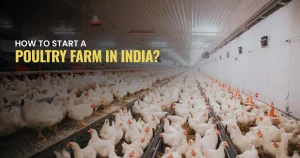
Starting a poultry farm in India is one of the most practical agribusiness ideas today. With rising demand for eggs and chicken across urban and rural markets, poultry farming has become a stable source of income for small farmers and large entrepreneurs alike.
India’s favourable climate, labour availability, and strong domestic consumption make this sector both scalable and sustainable.
Whether you are planning a backyard setup or a commercial unit, success depends on planning, bird management, housing quality, and cost control.
This guide explains every step in a simple, realistic way so you can clearly understand how to start and grow a poultry farm in India.
Starting a Poultry Farm in India
Before investing money, it is important to understand how poultry farming works in the Indian context. Poultry farming involves raising birds mainly for eggs (layers) or meat (broilers). Each has different investment needs, growth cycles, and profit margins.
Many new farmers fail because they start without learning basic management practices. Visiting nearby farms, attending training programmes, and understanding feed, disease control, and housing will give you a strong foundation.
A well-planned poultry farm in India can start generating returns within a few months if managed properly. India’s poultry sector is growing steadily due to:
- Increasing protein consumption
- Affordable pricing of poultry products
- Short production cycles
- Government support and training programmes
Business Plan
A solid business plan is the backbone of a successful poultry farm. It helps you estimate costs, manage risks, and plan expansion in a controlled way.
For beginners, it is advisable to start small and scale gradually. A 500–1000 bird unit is easier to manage and allows you to learn without heavy financial pressure. The plan should also include emergency funds for disease outbreaks or sudden feed price increases.
A clear business plan also helps when applying for bank loans or government subsidies related to poultry farming in India.
Your poultry farming business plan should include:
- Type of farming (broiler or layer)
- Farm size and bird capacity
- Initial investment and monthly expenses
- Expected income and profit margins
- Marketing and distribution strategy
Selection of Sector and Birds
Choosing the right sector is one of the most important decisions in poultry farming.
Broiler Farming
Broilers are raised for meat and have a short growth cycle of 6–8 weeks. This sector offers quick returns but requires strict control over feed quality, temperature, and hygiene.
Layer Farming
Layers are raised for egg production and start laying eggs after 18–20 weeks. This sector requires a higher initial investment and patience but offers steady, long-term income.
Bird Selection
Always purchase chicks from reputable hatcheries. Healthy birds should be active, evenly sized, and free from deformities. Poor-quality chicks lead to high mortality and low productivity, directly affecting profitability.
Selecting the right birds suited to Indian climatic conditions will improve survival rates and overall farm performance.
Finalizing Location
Location plays a major role in the success of a poultry farm in India. The farm should be located away from residential areas to avoid complaints about smell and noise, yet close enough to markets for easy transportation.
The land should not be waterlogged and must allow proper waste disposal. Many modern poultry farms now use well-designed sheds with insulated roofing.
Using PUF panels in poultry sheds helps maintain stable internal temperatures, reducing heat stress on birds and improving feed efficiency. It is especially useful in regions with extreme summer temperatures.
Key factors to consider:
- Availability of clean water
- Proper road connectivity
- Electricity supply
- Good ventilation and drainage
Required Licenses
Although small farms may operate with minimal paperwork, commercial poultry farming in India requires certain approvals. If you plan to supply eggs or meat to organised markets, compliance with food safety regulations becomes essential. It is best to check state-specific rules before starting operations to avoid future legal issues.
Common requirements include:
- Registration with the local municipal or panchayat office
- Trade licence from the local authorities
- Pollution control clearance for large farms
- GST registration if selling directly to retailers or distributors
Managing the Business
Managing a poultry farm is a daily responsibility that requires discipline and close observation. Birds are sensitive to changes in temperature, feed, water, and hygiene. Even small lapses can lead to disease outbreaks or reduced productivity.
Importance of Maintaining the Birds
Healthy birds are the foundation of a profitable poultry farm in India. Housing plays a crucial role in bird maintenance. Well-insulated sheds, often built with modern materials such as PUF panels, help maintain internal comfort, especially during extreme weather. Reduced temperature fluctuations mean less stress on birds and better growth or egg production.
Regular cleaning, waste management, and monitoring bird behaviour help detect problems early and prevent major losses.
Proper maintenance includes:
- Providing clean and nutritious feed at regular intervals
- Ensuring constant access to fresh drinking water
- Maintaining ideal temperature and ventilation inside sheds
- Following vaccination and disease prevention schedules
How Much Money Is Needed to Start a Poultry Farm?
The investment required depends on farm size, bird type, and housing structure. Using energy-efficient shed designs and insulated roofing can reduce long-term operational costs. While materials like PUF panels may slightly increase initial construction costs, they often lead to better bird health and lower electricity bills over time.
Approximate starting costs:
- Small-scale farm (500 birds): ₹1.5–2.5 lakh
- Medium-scale farm (2000 birds): ₹5–8 lakh
- Large commercial farm: ₹15 lakh and above
Major expenses include:
- Chick procurement
- Feed costs (largest recurring expense)
- Shed construction
- Equipment (feeders, drinkers, lighting)
- Vaccination and medicines
Conclusion
Starting a poultry farm in India is a rewarding opportunity for those willing to plan carefully and manage operations responsibly. With the right business plan, healthy birds, proper housing, and consistent maintenance, poultry farming can provide a steady income and long-term growth.
Success in this sector does not come overnight. It requires patience, learning, and continuous improvement. By focusing on bird welfare, choosing suitable infrastructure, and adapting modern farming practices, you can build a sustainable poultry business that meets India’s growing demand for quality poultry products.
If approached with the right mindset and preparation, poultry farming can become not just a business but a reliable livelihood for years to come.