
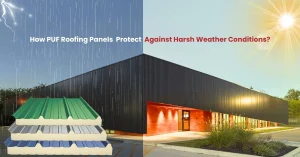
India experiences many types of harsh weather throughout the year. From hot summers and extended monsoons to seasonal winds and winter snowfall, buildings are constantly under stress. Because of this, choosing the right roofing material is essential.
PUF roofing panels have become a popular choice as they offer strong protection and help keep indoor spaces comfortable. They work well for homes, factories, warehouses and commercial buildings.
In this blog, we explain how PUF roofing panels handle different weather conditions and why they perform better than many traditional roofing systems.
Protection Against Extreme Temperatures
India sees significant temperature changes from season to season. Buildings need roofs that can limit heat transfer and help maintain indoor comfort. PUF panels are designed for this, and their insulation plays a key role. Before looking at the details, it helps to understand how these panels reduce heat gain and heat loss so effectively.
Thermal Insulation Properties
PUF roofing panels have a core made of high-density polyurethane foam. This foam has a high R-value, which means it slows heat transfer between the inside and outside. The foam sits between two metal sheets, creating a strong insulation layer.
During summer, the insulation blocks outdoor heat from entering the building. In winter, it prevents indoor warmth from escaping. It reduces temperature swings and keeps the indoor environment more stable. Compared to metal sheets, cement boards or tiles, PUF panels cut heat transfer by a much larger margin.
Thanks to this insulation, rooms stay cooler in hot seasons and warmer in cold seasons. It improves comfort and reduces pressure on cooling and heating equipment. Stable temperatures also help reduce strain on the building over time.
Temperature Regulation
PUF panels do more than just block heat. They also help regulate indoor temperature throughout the year. As a result, air conditioners and heaters do not need to run constantly. It leads to lower electricity bills and improved energy efficiency.
For commercial units such as warehouses, the controlled temperature helps create better working conditions. For homes, it improves everyday comfort. Because the building loses less energy, HVAC systems last longer and work more smoothly. This long-term stability is a significant advantage for any property owner.
Defence Against Heavy Rain and Moisture
Many regions of India receive heavy, prolonged rainfall. Roofs must keep water out and prevent moisture from damaging the structure. PUF roofing panels are built with this in mind. Their design offers strong protection against leaks, dampness and long-term water exposure.
Water Resistance
PUF roofing panels have waterproof foam cores and tightly sealed joints. These features block rainwater from entering through gaps or cracks. The sealed joints ensure a uniform surface that prevents leaks even during intense rainfall.
The outer metal cladding adds another layer of protection. It resists corrosion and protects the roof from rust, stains and rain-related wear. This combination helps keep the building safe even in harsh monsoon conditions. The strong water resistance also reduces the need for repairs, which are familiar with older or traditional roofing systems.
Mould and Mildew Prevention
Moisture often leads to mould and mildew, especially in humid regions. PUF roofing panels help prevent this in two ways. First, the panels are non-porous, so they do not absorb water. Second, the insulation reduces condensation inside the roof.
By preventing condensation, the panels stop dampness from forming on the underside of the roof. It helps maintain clean indoor air and protects stored goods in commercial areas. It also reduces the risk of fungal growth that may harm walls, ceilings or sensitive materials.
Wind Resistance
High winds, especially in open or coastal areas, can cause severe roof damage. Roof uplift is a common issue with lightweight or poorly fixed roofing sheets. PUF roofing panels are designed to handle these conditions with better strength and stability.
Structural Strength and Integrity
PUF panels get their strength from the firm bonding between the metal sheets and the foam core. The three layers act together as a solid structure. It makes the panels rigid and capable of resisting wind uplift. Their load capacity is tested to ensure they withstand even intense storms.
The rigid structure prevents bending or cracking that can happen with traditional sheets. It also reduces noise and vibration caused by high winds. It adds stability and helps protect the entire building during extreme weather.
Low Profile Design
The low-profile and aerodynamic design of PUF roofing panels helps reduce wind pressure. Smoothly passing wind over the surface reduces stress on joints and fasteners.
This design decreases the risk of detachment, buckling or roof damage. It also helps maintain roof alignment over time, even in windy regions. In coastal and industrial areas with frequent strong winds, this feature is a significant advantage.
Protection Against Snow and Ice
Areas in the northern, hilly parts of India experience snow during winter. Roofs in these areas must carry the weight of snow and prevent ice build-up. PUF roofing panels perform well in such conditions due to their load-bearing capacity and insulation.
Snow Load Management
PUF panels distribute snow weight evenly across the roof. It prevents weak spots or uneven pressure from forming, which can damage traditional roofing. The rigid panel structure helps the roof stay stable even when snow accumulates.
This even distribution reduces the chance of sagging or structural stress. It also ensures the building remains safe during long winter periods. For cold regions, this reliability helps extend the roof’s service life and reduces the need for winter repairs.
Thermal Performance Against Ice Dams
Ice dams form when warm air escapes through the roof, melts the snow, and then causes the water to refreeze near the edges. This cycle creates blockages and water seepage. PUF panels minimise heat loss because of their strong insulation.
By reducing heat escape, the formation of ice dams is less likely. It keeps the roof edges clearer and allows melted snow to drain properly. As a result, buildings experience fewer winter leaks and the roof stays in better condition for many years.
Fire Resistance
Fire safety is a primary concern in construction. Roofing materials can either slow down fire spread or make it worse. PUF roofing panels are developed with fire-retardant features that enhance building safety.
Fire Retardant Properties
The polyurethane foam core contains fire-resistant chemicals. These slow down the spread of flames and reduce heat transfer. The metal cladding also helps protect the foam from direct exposure to fire.
Together, these layers provide valuable protection during emergencies. They can delay fire spread and give occupants more time to evacuate. For industries or storage units, this safety feature is essential.
Compliance with Building Codes
PUF roofing panels often meet international fire standards such as ASTM and ISO. It means they have been tested and approved for safe use in various types of buildings.
Whether used in factories, warehouses, offices or homes, the panels offer a dependable level of fire safety. Their compliance makes them suitable for projects that require strict adherence to safety norms.
Energy Efficiency
With energy costs rising, many builders and owners look for ways to reduce consumption. PUF roofing panels support this goal through their strong insulation and long-term thermal performance.
Reduced Energy Consumption
The insulation in PUF roofing panels reduces the need for artificial cooling and heating. Indoor spaces remain more stable, so HVAC systems run for shorter periods.
It helps lower electricity bills and reduces overall energy use. For commercial buildings, the savings can be significant. Reduced load on HVAC systems also extends equipment life, adding to long-term cost benefits.
Sustainability and Environmental Impact
Modern PUF foam production has become more eco-friendly. Many panels use recyclable materials and greener manufacturing processes. Their energy-saving qualities also support green construction standards.
Buildings with PUF roofing panels may qualify for certifications such as LEED or GRIHA, which promote sustainable design. By saving energy and using responsible materials, these panels contribute positively to environmental goals.
Installation and Maintenance
In addition to performance, construction teams also look for roofing materials that install quickly and require minimal upkeep. PUF roofing panels offer clear advantages in both these areas.
Quick and Easy Installation
PUF roofing panels are lightweight and designed in modular sizes. Their interlocking joints make installation simple and secure. It reduces the time and labour needed on-site.
Fast installation is handy for large industrial projects or time-bound construction work. The quick process helps reduce disruption and supports smoother project planning. Easy handling also lowers the chance of installation errors.
Minimal Maintenance Requirements
Once installed, PUF roofing panels need very little maintenance. Their metal cladding protects them from corrosion and weather damage. The foam core remains stable for many years and does not weaken due to moisture or temperature changes.
This durability reduces repair costs and extends the roof’s lifespan. Owners benefit from long-term reliability, which makes PUF panels a cost-effective choice for many types of buildings.
Conclusion
PUF roofing panels offer strong, reliable protection against heat, rain, wind, snow, and fire. Their insulation keeps indoor spaces comfortable, while their waterproof and wind-resistant features protect the building year-round. The panels are also energy-efficient, easy to install, and low-maintenance.
For anyone looking for a long-lasting, dependable roofing solution, PUF roofing panels offer excellent value. They combine modern engineering with practical benefits, making them a wise choice for industrial, commercial and residential buildings across India.