
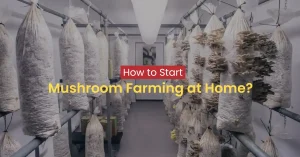
Mushroom farming at home is steadily becoming one of the most practical and rewarding forms of indoor cultivation in India. With rising food costs, growing interest in organic produce, and limited outdoor space in urban homes, mushrooms offer a smart alternative. They grow quickly, need very little space, and can be cultivated all year round with minimal resources.
Whether your goal is to grow fresh mushrooms for your family or build a small income stream, this article walks you through mushroom farming at home, step by step and in a realistic, straightforward way.
Why Choose Mushroom Farming at Home?
Mushroom farming at home stands out because it fits easily into modern lifestyles. Unlike traditional farming, it does not depend on land availability, weather conditions, or long growing cycles.
Mushrooms are rich in protein, vitamins, and antioxidants, making them a valuable addition to everyday meals. From a financial perspective, mushrooms have steady demand across households, supermarkets, and restaurants, making them a reliable crop even on a small scale.
Another key advantage is sustainability. Mushrooms grow on agricultural waste such as straw, sawdust, or cardboard, reducing waste while producing nutritious food. It makes mushroom farming an environmentally responsible choice as well.
Step 1: Choose the Right Mushroom Variety
Selecting the right mushroom variety is crucial for success, especially for beginners. Different mushrooms require different temperatures, humidity levels, and care routines.
Oyster mushrooms
Oyster mushrooms are the most popular choice for mushroom farming at home. They grow rapidly, adapt well to varying conditions, and yield well. Their mild flavour and versatility make them easy to sell or use in home cooking.
Button mushrooms
Button mushrooms are widely consumed in India, but they require more controlled environments and compost preparation. They are better suited for growers with some experience.
Milky mushrooms
Milky mushrooms thrive in warmer conditions and are suitable for indoor growing, where temperatures can be consistently maintained. For beginners, oyster mushrooms are the safest and most cost-effective option.
Step 2: Understand the Basic Requirements
Mushrooms grow differently from plants. They do not need soil or sunlight, but they do require a stable environment.
Temperature
Most home-grown mushrooms thrive between 18°C and 30°C. Sudden temperature changes can slow growth or reduce yield.
Humidity
High humidity is essential. Mushrooms absorb moisture from the air, so maintaining humidity levels between 70% and 90% is ideal.
Light
Mushrooms do not require direct sunlight. Soft, indirect light is sufficient during the fruiting stage.
Ventilation
Fresh air helps prevent mould and supports healthy growth. A well-ventilated room with occasional airflow works well.
Understanding and balancing these conditions is the foundation of successful mushroom farming at home.
Step 3: Arrange the Growing Space at Home
One of the best things about mushroom farming is flexibility. You don’t need a greenhouse or garden.
Suitable spaces include:
- A spare room or cupboard
- A balcony shaded from direct sunlight
- A utility room or garage
- Under a staircase or storage area
Cleanliness is essential. The growing area should be cleaned regularly and kept free of dust, pests, and strong odours. Even a small unclean area can lead to contamination and crop loss.
Step 4: Select and Prepare the Growing Medium
Mushrooms grow on organic materials known as substrates. The quality of the substrate directly affects yield. Before use, the substrate must be pasteurised. It involves soaking it in hot water to kill harmful microorganisms.
Once cooled and drained, the substrate becomes ready for spawning. Proper substrate preparation is one of the most important steps in mushroom farming and should never be rushed.
Common substrates:
- Wheat or barley straw
- Paddy straw
- Sawdust
- Coffee grounds
- Cardboard
Step 5: Use Quality Mushroom Spawn
Spawn acts as the seed for mushroom cultivation. Using high-quality spawn ensures faster growth and better yields.
Always purchase spawn from reliable suppliers and avoid expired or poorly stored products. Low-quality spawn can lead to uneven growth or total failure.
Handle the spawn with clean hands and store it in a cool place until use. Good spawn management plays a vital role in consistent results.
Step 6: Spawning and Bag Preparation
Grow bags are widely used in mushroom farming due to their simplicity and efficiency. Once prepared, keep the bags in a dark and warm place. This stage requires patience, as disturbing the bags can slow mycelium growth.
Process:
- Fill clean plastic bags with prepared substrate
- Add spawn in layers to ensure even distribution
- Close the bags securely
- Make small holes to allow air exchange
Step 7: Incubation and Growth Stage
During incubation, the spawn spreads throughout the substrate, forming mycelium. This stage usually takes 10 to 15 days. The substrate will gradually turn white, which is a healthy sign. Incubation is the backbone of mushroom farming at home. Strong mycelium leads to higher-quality mushrooms later.
Key points to remember:
- Maintain a stable temperature
- Avoid direct light
- Monitor for mould or foul smells
- Keep humidity levels steady
Step 8: Fruiting and Harvesting
Once the substrate is fully colonised, the bags are moved to a fruiting area with light airflow and indirect light.
Mist the area lightly with water once or twice daily. Avoid soaking the bags, as excess moisture can cause rot.
Mushrooms are ready to harvest when the caps are firm and partially open. Harvest gently by twisting rather than pulling.
Most varieties allow multiple harvests from a single bag, increasing overall yield.
5 Tips to Increase Profit in Your Mushroom Farming at Home
Increasing profit in mushroom farming is not only about producing more mushrooms, but also about managing costs, quality, and sales smartly. When done correctly, even a small home setup can generate consistent returns.
Focus on quality over quantity.
High-quality mushrooms always sell better than large volumes of poor-quality produce. Ensure proper humidity, cleanliness, and timely harvesting. Fresh, firm mushrooms with good colour and texture attract repeat buyers and better pricing.
Plan multiple growing cycles.
Instead of growing once and stopping, plan staggered batches. It means while one batch is being harvested, another is incubating. Continuous production ensures a regular supply and stable income from mushroom farming at home.
Reduce wastage and contamination.
Contamination is one of the biggest profit killers. Regular cleaning, proper substrate pasteurisation, and controlled watering reduce crop loss. Fewer losses directly translate into higher profit.
Explore value-added options
Beyond selling fresh mushrooms, consider drying, pickling, or packaging mushrooms attractively. Value-added products have longer shelf life and higher profit margins.
Understand your local market.
Research local demand, pricing, and customer preferences. Selling directly to local households, cafes, or small retailers often brings better returns than bulk selling. Building trust locally can significantly boost profits in mushroom farming.
Common Mistakes to Avoid in Mushroom Farming at Home
Many beginners fail not because mushroom farming is difficult, but because of avoidable mistakes. Being aware of these errors early can save time, money, and frustration.
One of the most common mistakes is overwatering. Mushrooms need humidity, not soaking. Excess water can cause rot and fungal infections. Light misting is always better than heavy watering.
Another frequent issue is poor ventilation. Without fresh air, mushrooms grow weak or develop mould. Even indoor spaces need occasional airflow to maintain healthy growth.
Using low-quality or contaminated spawn is another major mistake. Cheap spawn may seem cost-effective, but it often leads to poor yield or complete crop failure.
Many beginners also make the mistake of ignoring cleanliness. Dirty surroundings, unclean tools, and improper handling increase contamination risks. Hygiene should be treated as a priority, not an option.
Finally, harvesting too late reduces quality and shelf life. Mushrooms should be harvested at the right stage to maintain taste, texture, and market value.
Are PUF panels suitable for use in mushroom farming?
PUF panels are ideal for mushroom farming as puf panels provide excellent insulation, maintain stable temperature and humidity, ensure hygiene, and improve energy efficiency for consistent, high-quality yields year-round.
Conclusion: Is Mushroom Farming at Home Worth It?
Mushroom farming at home is absolutely worth it when done with the right expectations and approach. It offers a rare combination of low investment, quick results, and sustainable production.
From a financial perspective, the initial setup cost is minimal compared to other farming activities. With proper planning, growers can recover their investment within a few cycles. The fast growth rate of mushrooms allows multiple harvests in a short period, making it ideal for supplementary income.
From a lifestyle perspective, mushroom farming at home is flexible. It does not demand full-time attention and can easily fit around daily routines. It makes it suitable for students, homemakers, and working professionals.
Additionally, the satisfaction of producing fresh, chemical-free food at home adds long-term value beyond profit. With growing awareness of healthy eating, demand for home-grown mushrooms continues to rise.
In conclusion, mushroom farming is worth pursuing for anyone looking for a practical, sustainable, and rewarding indoor farming option.