
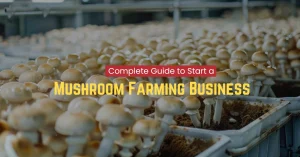
Mushroom farming has rapidly evolved from a niche agricultural activity into a highly profitable, scalable business opportunity. With rising demand for gourmet mushrooms, health-focused diets, and sustainable food sources, more entrepreneurs are exploring mushroom cultivation as a viable venture.
This comprehensive guide walks you through everything you need to know before starting a mushroom farming business, from the basics of cultivation and infrastructure requirements to marketing, costs, and profitability.
Whether you’re a beginner or a small farmer looking to diversify, this guide will help you navigate the process with clarity and confidence.
What Makes Mushroom Farming a Profitable Business?
Mushroom farming stands out for combining low investment with high productivity. Unlike seasonal crops, mushrooms can be grown throughout the year under controlled conditions, ensuring a consistent income.
One of the most significant advantages is the short growth cycle. Many mushroom varieties are ready for harvest within 30–45 days, allowing farmers to generate revenue quickly. Additionally, mushrooms can be cultivated vertically, resulting in higher yields from a smaller space.
From a market perspective, mushrooms enjoy strong demand across multiple segments. They are widely used in homes, restaurants, hotels, fast-food chains, and health-focused food products. Their nutritional benefits, including their high protein, vitamin, and antioxidant content, make them especially popular among vegetarians and fitness-conscious consumers.
Moreover, mushroom farming supports sustainable agriculture. It uses agricultural waste, such as straw or sawdust, making it both eco-friendly and cost-efficient. These combined factors make mushroom farming a reliable and scalable business opportunity.
Understanding the Mushroom Farming Process
To run a successful mushroom business, it’s essential to understand each stage of the cultivation process. While the process is not complex, attention to cleanliness, temperature, and humidity is crucial.
Spawn Selection and Preparation
Spawn is the base material from which mushrooms grow. It is similar to seeds in traditional farming. For beginners, purchasing high-quality spawn from certified suppliers is recommended to reduce the risk of contamination and poor yields.
Substrate Preparation
The substrate acts as food for the mushrooms. Depending on the mushroom type, it may include wheat straw, paddy straw, sawdust, or compost. The substrate must be appropriately treated, usually by pasteurisation or sterilisation, to eliminate harmful bacteria and fungi.
Spawning and Incubation
Once the substrate is ready, the spawn is mixed evenly and packed into bags or trays. These are then stored in a dark, warm room during the incubation phase. At this stage, the mycelium spreads throughout the substrate.
Fruiting and Harvesting
After incubation, the bags are moved to a fruiting room where light, humidity, and fresh air are introduced. Mushrooms begin to appear within days and are harvested in multiple flushes, increasing overall yield.
Types of Mushrooms You Can Cultivate
Selecting the right mushroom variety is key to your success, especially when starting. Each type has different growth requirements, market demand, and profitability.
Oyster Mushrooms
Oyster mushrooms are ideal for beginners due to their fast growth, low maintenance, and high disease resistance. They grow well on a variety of substrates and are widely accepted in the market.
Button Mushrooms
Button mushrooms are one of the most commonly consumed varieties. While they require more controlled conditions and compost preparation, they offer strong market demand and stable pricing.
Shiitake Mushrooms
Known for their rich flavour and medicinal properties, shiitake mushrooms fetch premium prices. They require more time and specific conditions, but are highly profitable when grown correctly.
Milky Mushrooms
Milky mushrooms grow well in warmer climates and are known for their large size and attractive appearance. They are popular in fresh vegetable markets.
Beginners are advised to start with oyster or button mushrooms before moving on to premium varieties.
Infrastructure and Equipment Needed
One significant benefit of mushroom farming is that it does not require farmland. A spare room, shed, basement, or warehouse can be converted into a growing unit.
Basic infrastructure should include a clean growing room with proper ventilation, humidity control, and temperature regulation, often built using insulated materials such as PUF panels to maintain stable conditions efficiently.
Many commercial growers now prefer modular grow rooms made with PUF panels, as their superior insulation helps reduce energy costs while keeping the mushroom chamber cool, hygienic, and contamination-free.
Maintaining hygiene is extremely important. Equipment and rooms must be cleaned regularly to prevent contamination. As production grows, semi-automated systems can be introduced to improve consistency and reduce labour.
Investment and Cost Breakdown
The cost of starting a mushroom farming business depends on scale, mushroom type, and level of automation. However, it remains affordable compared to most agribusiness ventures.
Initial expenses typically include spawn, substrate materials, bags or trays, shelving, basic equipment, and room preparation. Operational costs may involve electricity, water, labour, and packaging.
A small-scale setup can be started with minimal investment, and profits can be reinvested to expand gradually. It makes mushroom farming especially attractive for first-time entrepreneurs.
Licences and Approvals Required
Mushroom farming generally involves fewer regulatory hurdles. However, if you plan to sell commercially, certain registrations may be required depending on local regulations.
These may include business registration, food safety certification, and tax registration. Having proper documentation not only ensures legal compliance but also builds credibility with buyers and distributors.
Marketing Strategies for Selling Mushrooms
Producing mushrooms is only half the job; selling them effectively is what ensures profitability. A strong marketing plan helps secure regular buyers and a stable income.
Local vegetable markets and wholesalers are ideal starting points. Restaurants, hotels, and cafés often prefer fresh, locally sourced mushrooms and may offer long-term supply contracts.
Direct-to-consumer sales through farmers’ markets or subscriptions can increase margins. Online platforms and social media can also be used to showcase freshness, farming practices, and health benefits. Offering value-added products such as dried mushrooms or mushroom powder can further diversify income streams.
Challenges in Mushroom Farming and How to Overcome Them
Mushroom farming is a rewarding business, but like any agricultural activity, it comes with its own set of challenges. Understanding these issues early and managing them effectively can significantly improve yield and profitability.
Contamination and Fungal Infections
Contamination occurs when harmful bacteria or mould enter the growing area, often due to poor hygiene or unsterilised substrate.
Solution: Maintain strict cleanliness, properly pasteurise the substrate, and use high-quality spawn from reliable suppliers.
Maintaining Temperature and Humidity
Mushrooms are highly sensitive to environmental conditions, and even small fluctuations can affect growth and yield.
Solution: Use basic temperature and humidity monitoring tools and ensure proper ventilation to maintain stable growing conditions.
Poor Quality Spawn
Low-quality or infected spawn can lead to slow growth, uneven yields, or complete crop failure.
Solution: Always purchase spawn from certified laboratories and store it correctly before use.
Lack of Technical Knowledge
Beginners often struggle due to a limited understanding of mushroom cultivation techniques and best practices.
Solution: Attend training programmes, follow standard cultivation guidelines, and start on a small scale to gain hands-on experience.
Inconsistent Yield
Irregular production can occur due to improper spawning, uneven substrate preparation, or poor environmental control.
Solution: Follow a standard operating procedure for each stage and maintain consistent temperature, moisture, and airflow.
Market Price Fluctuations
Mushroom prices can vary depending on supply, demand, and season, affecting overall profitability.
Solution: Diversify your customer base and explore value-added products such as dried or packaged mushrooms.
Short Shelf Life of Fresh Mushrooms
Fresh mushrooms spoil quickly if not stored or transported properly, resulting in waste.
Solution: Use proper cold storage, quick distribution channels, and consider processing surplus produce.
Pest and Insect Problems
Flies and insects can damage crops and introduce contamination if the growing area is not well protected.
Solution: Install insect nets, maintain cleanliness, and regularly inspect the growing rooms.
Conclusion: A Sustainable and Rewarding Business Opportunity
Mushroom farming is a smart business choice for anyone looking to enter agriculture with limited resources. Its low investment, quick returns, and growing demand make it both practical and profitable.
With proper planning, consistent quality, and effective marketing, mushroom farming can grow from a small setup into a sustainable and scalable enterprise.
By following the steps outlined in this guide, you’ll be well-equipped to build a successful mushroom farming business with confidence.